digital marketing 2025 01 29 12 22 01 utc

Why Integrated Digital Marketing Strategies Outperform Siloed Campaigns

In today’s hyper-competitive digital landscape, businesses that approach marketing as a series of disconnected tactics risk falling behind. An integrated digital marketing strategy—where channels, messaging, and data work in concert—delivers superior results by creating a seamless customer journey and amplifying ROI.

What Is Integrated Digital Marketing?

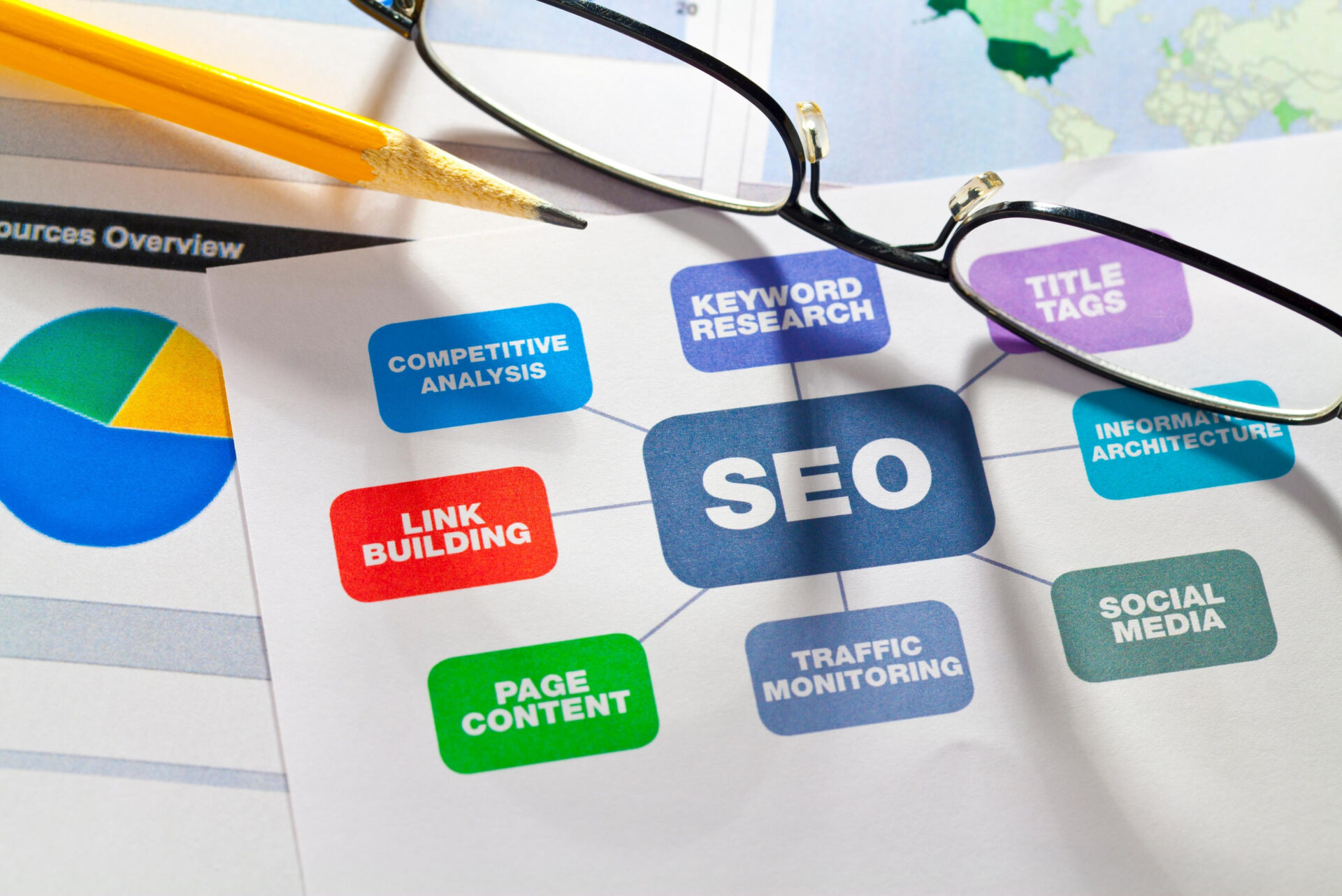
Integrated digital marketing is the practice of aligning multiple online channels (such as SEO, social media, PPC, email, and content marketing) under a unified strategy. Every touchpoint reinforces your brand message and drives prospects toward conversion. Rather than operating in silos, each channel supports the others, creating a multiplier effect.
businesswoman giving new info about marketing at t 2025 03 08 15 51 44 utc

Key Benefits of Integration

1. Consistent Brand Messaging

When all channels communicate the same core values and messaging, your brand becomes more recognizable and trustworthy. Consistency across website, social, email, and ads enhances recall and builds credibility.

2. Improved Customer Experience

Integrated strategies ensure customers encounter a cohesive experience—whether they engage with your website, receive an email, or see a social ad. This reduces confusion, increases satisfaction, and shortens the sales cycle.

3. Efficient Budget Allocation

Data from one channel can inform decisions in another. For example, high-performing keywords from PPC campaigns can improve SEO content, while insights from social engagement can refine email targeting. This cross-channel intelligence maximizes the impact of every marketing dollar.

4. Enhanced Analytics & Optimization

Integrated platforms allow for holistic tracking of customer interactions. Marketers can see which combinations of touchpoints drive the most conversions, enabling continuous optimization and smarter decision-making.

close up of young mixed race female graphic design 2025 04 03 06 07 52 utc

Core Elements of an Integrated Strategy

  • Unified Goals: All channels work toward shared business objectives (lead generation, sales, brand awareness).
  • Cross-Channel Content Planning: Content calendars align campaigns, promotions, and messaging across platforms.
  • Centralized Data & Analytics: Use tools that aggregate performance metrics for end-to-end visibility.
  • Automation & Personalization: Leverage marketing automation to deliver personalized experiences at scale.
  • Consistent Visual Identity: Maintain cohesive branding across all digital assets.

Steps to Implement Integration

  1. Audit Existing Channels: Identify gaps, overlaps, and opportunities for synergy.
  2. Develop a Unified Strategy: Set clear goals, define your audience, and map out the customer journey.
  3. Align Teams and Tools: Ensure marketing, sales, and customer service are coordinated and use integrated platforms.
  4. Measure and Optimize: Track performance holistically and refine your approach based on actionable insights.
website development layout sketch drawing 2025 02 10 10 47 59 utc

Conclusion

An integrated digital marketing strategy is essential for businesses aiming to maximize their online presence and drive sustainable growth. By breaking down silos and creating a connected ecosystem, you deliver a better customer experience and achieve greater marketing efficiency.
 
Ready to take your digital marketing to the next level? Consider adopting an integrated approach to unlock your brand’s full potential.

RECENT POSTS

Subscribe To Our Newsletter

Is Your Business Ready for the Digital Leap?

Partner with Syntra Digital Lab and watch your online success soar. Get in touch today!

Talk With Expert

+1 780 381 1192