The Strategic Value of Web Design in Modern Business
Web design is more than aesthetics; it’s a strategic asset that shapes first impressions, drives engagement, and influences conversions. In today’s digital-first marketplace, a company’s website is often the primary touchpoint for potential clients. Investing in professional web design is not just about looking good—it’s about building credibility, enhancing user experience, and supporting business growth.
Why Web Design Matters
First Impressions and Brand Perception
A well-designed website communicates professionalism and trustworthiness. Studies show that users form an opinion about a website within seconds. If your site appears outdated or difficult to navigate, visitors are likely to leave and seek alternatives. Consistent branding, modern layouts, and intuitive navigation foster confidence and encourage users to explore further.
User Experience (UX) as a Conversion Driver
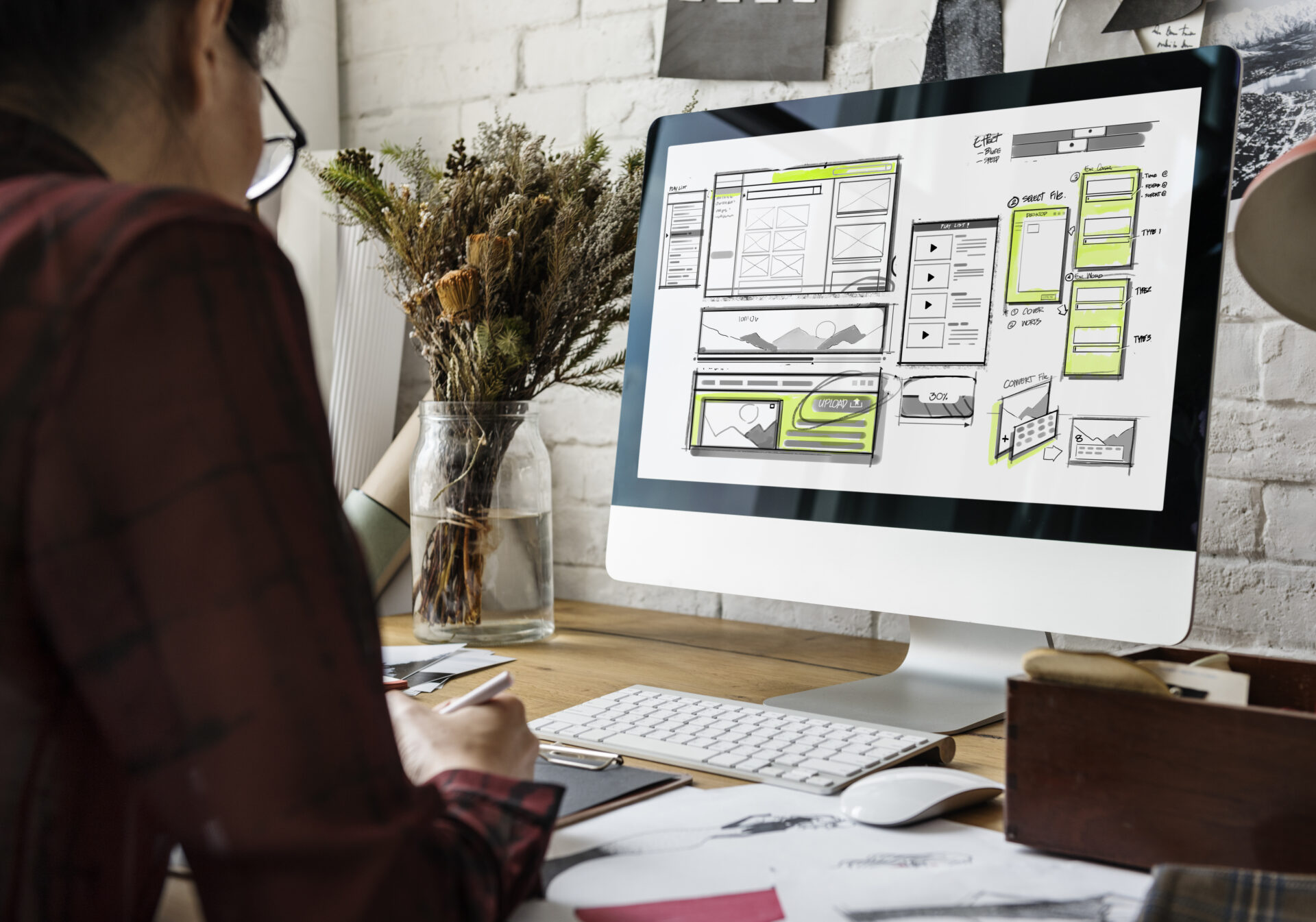
Effective web design prioritizes user experience. This means fast load times, mobile responsiveness, and logical information architecture. Clear calls to action (CTAs), readable fonts, and accessible color schemes guide users toward desired outcomes—whether that’s filling out a form, making a purchase, or scheduling a consultation. Good UX reduces friction and increases the likelihood of conversion.
SEO and Web Design Integration
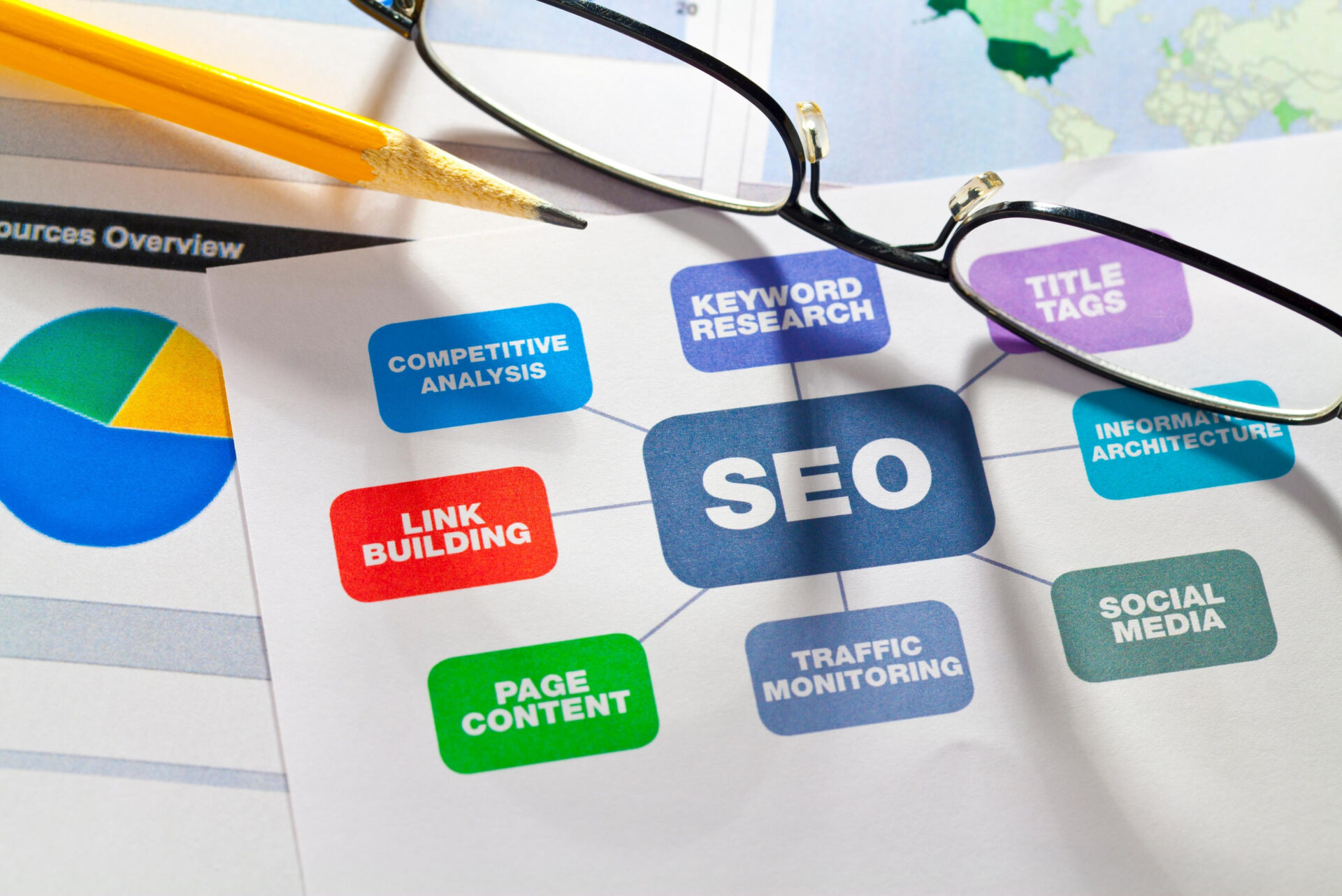
Search engine optimization (SEO) and web design are closely linked. Clean code, mobile-friendly layouts, and optimized images all contribute to better search rankings. Structuring content with proper headings, internal links, and metadata ensures that search engines can easily crawl and index your site. A well-designed website supports ongoing SEO efforts, driving organic traffic and improving visibility.
Scalability and Flexibility
A strategic web design approach considers future growth. Scalable frameworks and content management systems (CMS) like WordPress allow businesses to add new features, pages, or integrations as needs evolve. Modular design and reusable components make updates more efficient and cost-effective over time.

Key Elements of Effective Web Design
- Responsive Design: Ensures your website looks and functions well on all devices, from desktops to smartphones.
- Clear Navigation: Logical menus and internal links help users find information quickly.
- Strong Visual Hierarchy: Use of size, color, and placement to guide attention to key messages and CTAs.
- Consistent Branding: Cohesive use of logos, colors, and typography creates a memorable identity.
- Optimized Performance: Fast loading times and minimal downtime keep visitors engaged and reduce bounce rates.
- Accessibility: Design with inclusivity in mind, ensuring your site is usable by people with disabilities.
Trends Shaping Web Design in 2025
- AI-Powered Personalization: Dynamic content adapts to user preferences and behavior.
- Minimalist Aesthetics: Clean layouts with ample white space improve readability and focus.
- Micro-Interactions: Subtle animations and feedback enhance engagement without distracting from core content.
- Dark Mode Options: Providing alternative color schemes for user comfort and accessibility.
- Sustainable Design: Optimizing for energy efficiency and eco-friendly hosting solutions.
Conclusion
Web design is a critical component of business strategy, not just a creative exercise. A well-designed website supports brand credibility, enhances user experience, and drives measurable business outcomes. As digital expectations evolve, investing in strategic web design ensures your business remains competitive and relevant in the marketplace.
If you’re considering a website redesign or launching a new digital presence, prioritize a holistic approach that integrates UX, SEO, scalability, and brand consistency. The result is a digital asset that delivers value today and adapts to tomorrow’s opportunities.
Is Your Business Ready for the Digital Leap?
Partner with Syntra Digital Lab and watch your online success soar. Get in touch today!
Talk With Expert
+1 780 381 1192
Email us