Introduction
In the digital economy, your website is the cornerstone of your brand presence. Web design is no longer a matter of “looking good”—it’s a critical business function that shapes perception, drives engagement, and directly impacts revenue. For business owners seeking to scale, a high-performing website is both a strategic asset and a competitive differentiator.
The Business Case for Professional Web Design
First Impressions and Brand Authority
Your website is often the first interaction a potential client has with your company. Studies show users form a judgment about your brand within milliseconds of landing on your site. A professionally designed website signals credibility, authority, and attention to detail—qualities that set the tone for all future interactions.
User Experience (UX) as a Growth Lever
UX encompasses every aspect of a visitor’s interaction with your website. Intuitive navigation, fast load times, and mobile responsiveness aren’t just best practices—they’re essential for keeping users engaged. A seamless UX reduces friction, lowers bounce rates, and increases the likelihood that visitors will take meaningful action.
Conversion Rate Optimization (CRO)
Design isn’t just about aesthetics; it’s about guiding users toward specific outcomes. Strategic placement of calls-to-action, persuasive copy, and clear value propositions all contribute to higher conversion rates. Effective web design leverages data and behavioral insights to turn passive visitors into active leads and customers.
SEO and Discoverability
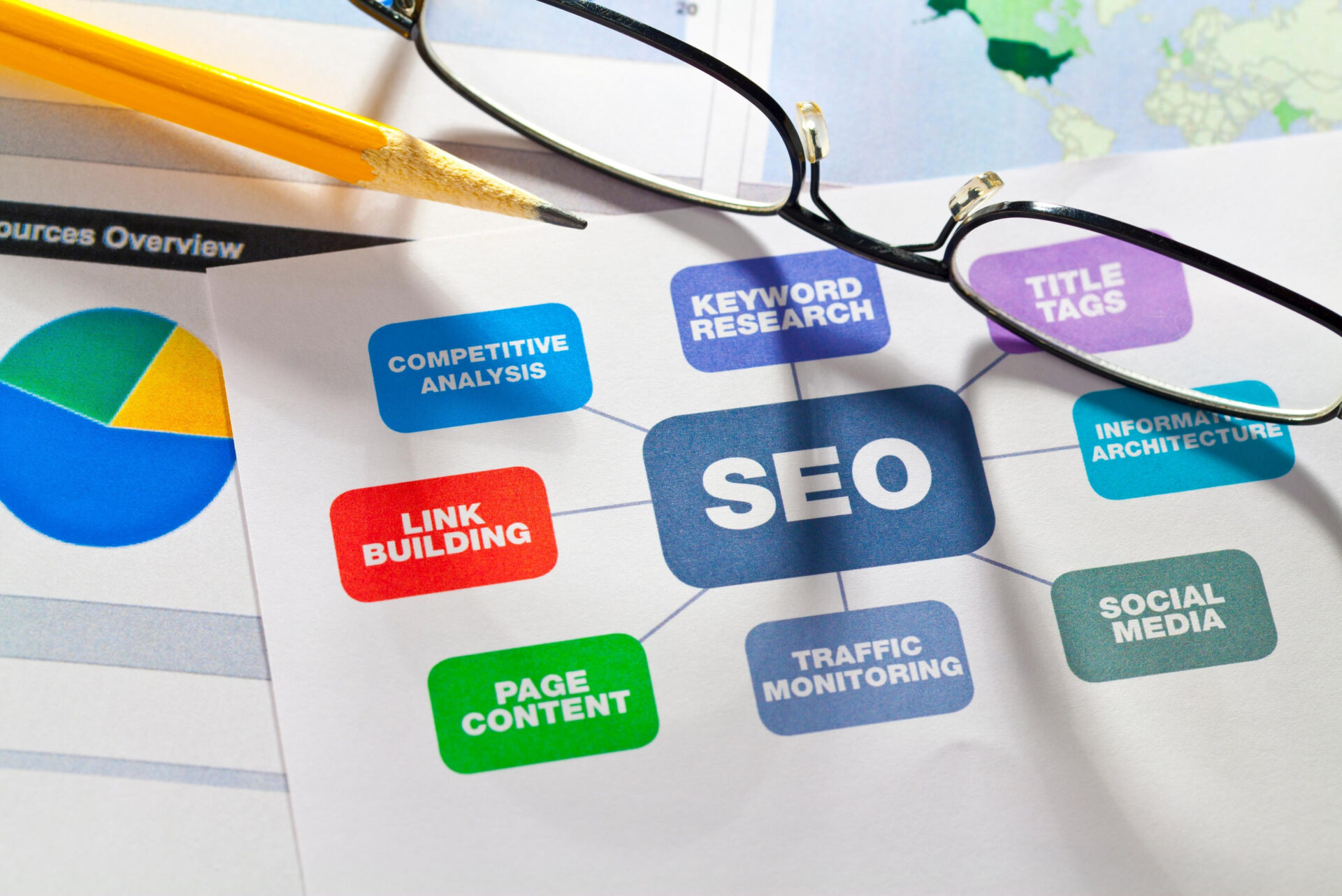
Even the most beautiful website is ineffective if it can’t be found. Search engine optimization begins with a well-structured, accessible site. Clean code, logical hierarchy, and optimized content ensure your site ranks higher on Google, driving organic traffic and increasing your reach.
Core Elements of High-Performing Web Design
Visual Hierarchy and Content Strategy
A clear visual hierarchy directs attention to what matters most—whether it’s your services, portfolio, or contact information. This is achieved through thoughtful use of size, color, contrast, and spacing. Pair this with a robust content strategy, and your website becomes a conversion engine.
Brand Consistency and Trust
Your website should be a seamless extension of your brand. Consistent use of colors, typography, and imagery reinforces your identity and builds trust with your audience. Every element—from logo placement to button style—should align with your overall brand guidelines.
Accessibility and Inclusivity
Accessible design ensures your website is usable by everyone, including those with disabilities. This includes proper color contrast, alt text for images, keyboard navigation, and screen reader compatibility. Not only is this socially responsible, but it also broadens your potential audience and helps with compliance.
Performance and Security
Speed is a ranking factor and a user expectation. Optimize images, leverage caching, and minimize scripts to ensure fast load times. Security is equally critical: SSL certificates, regular software updates, and secure hosting protect your site and user data from threats.
Emerging Trends in Web Design for 2025
- AI-Powered Personalization: Websites now adapt content, layout, and offers in real-time based on user behavior and preferences.
- Minimalist, Content-First Layouts: Clean, uncluttered designs focus attention on core messaging and calls-to-action.
- Micro-Interactions and Animations: Subtle transitions and interactive elements enhance engagement without distracting from the main content.
- Mobile-First and Responsive Design: With mobile traffic dominating, designs must deliver a flawless experience on any device.
- Voice Search and Conversational Interfaces: Integrating voice-activated navigation and chatbots to meet evolving user expectations.
The Process: From Discovery to Launch
- Discovery & Strategy: Define business objectives, target audience, and key performance indicators.
- Wireframing & UX Design: Map user journeys and create wireframes to visualize structure and flow.
- UI Design & Branding: Apply visual design elements, ensuring alignment with brand guidelines.
- Development & Integration: Build the site using modern frameworks, integrating necessary tools and APIs.
- Testing & Optimization: Conduct usability tests, optimize for speed, and ensure cross-browser compatibility.
- Launch & Continuous Improvement: Deploy the site, monitor analytics, and iterate based on user feedback and performance data.
Measuring Success: Key Metrics
- Bounce Rate: Indicates how many visitors leave after viewing one page.
- Average Session Duration: Measures engagement and content relevance.
- Conversion Rate: Tracks how many visitors complete desired actions.
- Organic Traffic Growth: Reflects SEO effectiveness.
- Accessibility Scores: Assesses inclusivity and compliance.
Conclusion
Web design is a strategic investment with measurable ROI. For business owners, the website is more than a digital brochure—it’s a growth engine, a brand ambassador, and a platform for innovation. By prioritizing user experience, embracing modern design trends, and continuously optimizing, you lay the foundation for sustainable digital success.